College athletic programs have faced sweeping compliance changes and heightened scrutiny due to dramatic regulatory shifts. The landmark $2.8 billion House v. NCAA settlement from June last year requires Division I member schools to share revenue earned after 2016 with its student-athletes. The agreement led directly to the creation of the College Sports Commission (CSC) to govern compliance with the terms of this settlement.
Formed independently from the NCAA, the CSC establishes standardized compensation guidelines, promotes equitable revenue sharing, and safeguards athletes from exploitative contracts. Critically, the CSC introduced NIL Go, an online platform for reviewing Name, Image, and Likeness (NIL) deals valued at $600 or more, and launched an anonymous tip line to report potential NIL rules violations.
While the CSC oversees compliance with new NCAA policies, including roster limits, revenue sharing, and NIL deals, the NCAA retains authority over enforcement matters like game rules, academic and athletic eligibility and sports betting. This split in oversight, combined with evolving rules, makes it increasingly challenging for institutions to ensure collegiate athletics compliance with clarity and confidence. As a result, building and maintaining an effective compliance program for student-athletes has become more important than ever.
Why schools should care
College athletic programs must treat compliance as a cornerstone of its operations. Doing so safeguards the integrity of the institution and the well-being of its student-athletes. Non-compliance, in turn, risks incurring costly penalties, damaging reputations and creating eligibility issues that can harm both athletes and the institution. Penalties for violations of athlete benefit caps, NIL agreements, roster limits, or other bylaws established by the House settlement can include:
- Loss of eligibility or scholarships
- Post-season bans
- Order to show cause
- Suspensions
- Financial sanctions
In contrast, thorough, timely compliance builds transparency and fosters trust. Collegiate athletics represent more than school spirit, they embody an institution’s core values, governance standards, and dedication to ethical conduct. As collegiate sports continue to grow in visibility, revenue and complexity, ensuring strong institutional integrity in athletic compliance has become more critical than ever.


Building a winning compliance playbook
College athletics compliance programs often struggle not because of a lack of intent, but because of structural and operational gaps. Unclear roles and responsibilities can leave staff unsure of who owns key compliance responsibilities and decisions, while undefined or inconsistently applied processes create confusion and increase the risk of missteps. These challenges are compounded by limited or lack of formal training, particularly as rules evolve rapidly across NIL, recruiting, gambling, and the transfer portal.
As a result, coaches, staff, and student‑athletes may operate with incomplete or outdated information, leading to general unawareness of rule changes and expectations. Together, these breakdowns make sustained compliance difficult and expose programs to unnecessary risk.
Institutions must adopt a proactive and integrated approach to compliance with mandates. Successfully navigating new regulations and expectations set by the NCAA, CSC, conferences and regional authorities requires strategic change management and clearly defined roles throughout the institution.
Effective compliance begins with policy adaptation, ensuring institutional guidelines reflect current NCAA and CSC rules, such as those governing NIL and sports betting, and align with federal and state laws. Stakeholder engagement is critical. Athletics staff, compliance officers, legal counsel, academic departments and external partners like boosters must all play a role in shaping and implementing changes. Transparency, collaboration, and clear ownership of responsibilities are essential to fostering accountability.
Education and training should be continuous and responsive to NCAA bylaws and legal changes, and can include structured training programs for student-athletes, coaches, and other pertinent staff that focus on interpreting and applying updated NCAA legislation. This can include timely briefings on new rules, procedural changes, and compliance expectations ensuring all stakeholders remain informed and aligned with institutional and NCAA policies.
Regulatory compliance and risk assessments help identify blind spots and drive corrective action. Additionally, legal and financial oversight is essential to manage implications of House v. NCAA, which will affect NIL payments, roster limits and ultimately, eligibility for all.
How we can help you
INDUSTRY
SERVICES
Conclusion
An independent advisor can play a vital role in mitigating risk and strengthening governance within a college athletics compliance program. By providing an objective assessment of existing structures, an independent advisor helps institutions clarify roles and responsibilities, formalize decision‑making authority, and establish consistent, well‑documented compliance processes. This governance foundation reduces ambiguity and limits exposure to regulatory, financial, and reputational risk.
Beyond structure, independent advisors can assist with the design and/or delivery of targeted training that translates complex and evolving rules into practical guidance, improving adherence across coaches, administrators, and student‑athletes. An external perspective enables ongoing monitoring of regulatory change, benchmarking against leading practices, and reinforced accountability; positioning compliance as a proactive risk‑management function embedded within institutional governance rather than a reactive response to enforcement actions.
Integrating institutional operations to responsibly carry out these compliance needs can be daunting as it requires assessing and retooling individual responsibilities across a spectrum of college functions. By aligning institutional efforts with expectations and fostering a culture of education and support, schools can build a resilient and effective compliance framework that protects both the institution and its student-athletes.
Contacts:

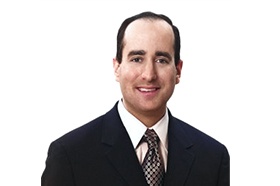
National Managing Partner
Higher Education and Not-for-Profit Industries, Grant Thornton LLP
Partner, Grant Thornton Advisors LLC
Iselin, New Jersey







Partner, Regulatory Compliance Solutions, Risk Advisory Services
Grant Thornton Advisors LLC
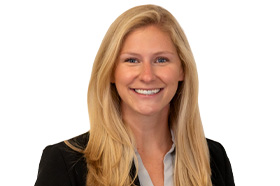
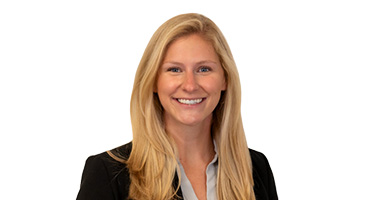
Leslie Watson-Stracener is a Partner and Regulatory Compliance Capability Leader at Grant Thornton Advisors LLC



Regional Managing Partner, Texoma
Market Managing Partner, Dallas & Austin
Grant Thornton Advisors LLC
Nichole Jordan is Grant Thornton’s regional managing partner for its Texoma region, and an inclusive leader dedicated to building a diverse and equitable culture of belonging.
Dallas, Texas
Industries
- Asset Management
- Banking
- Private Equity
Service Experience
- Audit & Assurance Services

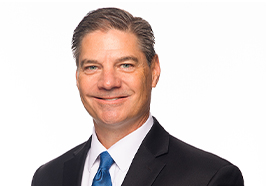
Managing Director, Risk Advisory Services
Grant Thornton Advisors LLC
D.J. Rossini has more than 25 years of experience leading investigations and directing complex compliance projects.
Chicago, Illinois
Industries
- Healthcare
- Life Sciences
- Construction & Real Estate
- Insurance
- Manufacturing, Transportation & Distribution
- Services
Service Experience
- Risk Advisory
- Regulatory compliance
- Forensics, investigations and disputes
- Anti-money Laundering & Economic Sanctions
- Cybersecurity & Privacy

Content disclaimer
This Grant Thornton Advisors LLC content provides information and comments on current issues and developments. It is not a comprehensive analysis of the subject matter covered. It is not, and should not be construed as, accounting, legal, tax, or professional advice provided by Grant Thornton Advisors LLC. All relevant facts and circumstances, including the pertinent authoritative literature, need to be considered to arrive at conclusions that comply with matters addressed in this content.
Grant Thornton Advisors LLC and its subsidiary entities are not licensed CPA firms.
For additional information on topics covered in this content, contact a Grant Thornton Advisors LLC professional.
Share with your network
Share